Legacy Modernization
We help businesses improve outdated applications and technology while preserving the processes, data and business knowledge their operations depend on.
Discuss Your Modernization Project
What We Modernize
We modernize existing software to improve maintainability, usability and performance while aligning it with your evolving business needs.
Improve older applications that remain essential to your daily operations.

Restructure ageing systems to make them easier to maintain, extend and support.
Upgrade older web applications with improved interfaces, functionality and modern development practices.

Improve data structures and database technology while preserving data integrity.

Update outdated frameworks, libraries and technical components where feasible.
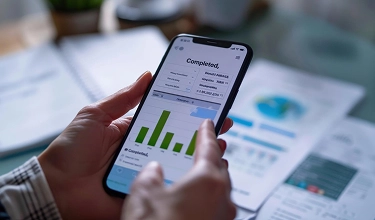
Connect existing software with modern applications, APIs and business services.
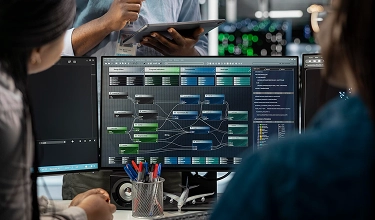
Replace selected components or features in stages instead of rebuilding everything at once.
CAPABILITIES & APPROACH
We assess your current systems, identify the right improvements and plan a practical path towards modernization.

Review the existing architecture, codebase, dependencies and business requirements.

Identify risks, priorities and the most suitable upgrade or replacement strategy.

Improve the structure of existing software to make it easier to maintain and extend.

Move suitable components to supported technologies and versions.

Preserve essential information and connect modernized components with relevant systems.

Validate functionality, data integrity and compatibility throughout the modernization process.

Release changes in manageable stages and address future technical needs.
Our Modernization Approach
Modernization doesn't always mean starting from scratch. We help identify what to retain, what to improve and what may need replacing.
Understand how the software works, what it supports and where the main limitations lie.

Identify the issues that most affect reliability, maintenance, usability or business growth.

Refactor, upgrade, integrate, migrate or replace components based on their condition and business value.
Where appropriate, deliver improvements incrementally to reduce disruption and make progress easier to validate.
Check critical workflows and data, then plan the transition to the modernized system.

Keep the software aligned with changing business requirements and technology needs.
FAQ
It is the process of improving older software, architecture or technology so the system is easier to maintain, more compatible with current tools and better suited to business needs.
Not necessarily. Depending on the system's condition, we may be able to upgrade specific components, improve the codebase, add integrations or replace parts gradually.
We assess the existing architecture, code quality, technical limitations, business requirements and risks. This helps determine whether incremental improvements or a broader rebuild is more appropriate.
We aim to preserve essential workflows and data. The migration or modernization plan will account for data integrity, business rules and critical operational requirements.
Where feasible, we plan staged changes, testing and controlled releases to reduce disruption. The approach depends on the system's architecture and operational constraints.
We can assess the available code, documentation, dependencies and system behaviour to understand the work involved and identify a practical modernization path.
Cost and timeline depend on the system's size, technical condition, integrations, data complexity and scope of changes. An initial assessment helps establish a realistic estimate.
Yes, where suitable APIs, connectors or other integration methods are available. We can assess how the system should communicate with your current technology environment.
Testing can cover existing business workflows, functionality, integrations, data integrity, performance and compatibility, with the scope tailored to the system's risks.
Yes. Ongoing support can include troubleshooting, maintenance, technology updates, performance improvements and further enhancements.